A Zafimaniry village cultural tour is one of Madagascar’s most rewarding highland experiences, but it is not a stop-and-go sightseeing excursion. The Zafimaniry homeland lies beyond Ambositra, where red-earth tracks, steep footpaths, working farms, and forested ridges shape daily life. Getting there takes planning. Traveling with the right local guide turns that effort into a meaningful encounter with living traditions, skilled woodcraft, and the quieter rhythm of Madagascar’s central highlands.
What Makes a Zafimaniry Visit Different
The Zafimaniry are internationally known for an exceptional woodcraft tradition. Their knowledge includes finely carved doors, shutters, posts, household objects, and joinery techniques that can be created without nails. Geometric motifs carry local meaning and are part of a wider culture shaped by family, farming, architecture, and the forest.
The woodwork is compelling, yet it should not be treated as the whole story. A respectful visit introduces travelers to real villages where people raise children, cultivate crops, attend school, build homes, and adapt to changing economic and environmental pressures. Some artisans may welcome visitors into a workshop or show how a piece is made; others may be busy with their day. The best experiences leave room for this reality rather than promising a staged performance.
Zafimaniry communities are spread across a remote area east of Ambositra, with Antoetra often serving as a practical gateway. Conditions differ between villages, seasons, and individual hosts. That is why a locally coordinated itinerary matters more here than a fixed checklist.
Plan Your Zafimaniry Village Cultural Tour Around the Route
A visit usually begins from Antananarivo, traveling south on the RN7 toward Ambositra. On a map, the distance can look manageable. On the road, it requires a full travel day with changing traffic, road conditions, and worthwhile stops through the highlands. Most travelers benefit from an overnight in Ambositra before continuing toward the Zafimaniry area.
Choose Between a Day Visit and an Overnight Trek
A day visit can work for travelers with limited time or for those adding a cultural stop to a wider RN7 itinerary. It generally focuses on the accessible gateway area, a guided village walk, and opportunities to meet local artisans when available. This is the more comfortable choice, especially if your trip includes long drives, national parks, or a domestic flight soon afterward.
An overnight experience gives the region more space. Depending on road access and the village selected, it may combine a 4WD transfer with several hours of walking over uneven terrain. Spending the night in a simple local lodge or village accommodation can bring a richer sense of place: morning activity, meals prepared locally, and time away from the pace of the main highway.
Neither option is automatically better. An overnight trek suits active travelers who are comfortable with basic facilities and variable weather. A day visit is a strong choice when comfort, limited time, or a broader Madagascar circuit takes priority.
Allow Flexibility for Weather and Road Conditions
The highlands are most comfortable for walking during the drier months, generally from May through October. Days can be clear and mild, while evenings at elevation are surprisingly cold. Bring layers, a light rain shell, sun protection, and shoes with reliable grip.
From roughly November through March, rain can make tracks muddy and slow. Village access may take longer, and trekking plans may need to change. The landscape is lush at this time, but this is not the trip component to schedule tightly between fixed transfers. A skilled operator will build in realistic timing and confirm local conditions close to departure.
Visit With Respect, Not Assumptions
Cultural travel works best when travelers arrive curious, patient, and ready to follow local guidance. Your guide should explain appropriate greetings, when photography is welcome, and how to approach a home, workshop, or sacred place. Always ask before photographing people, children, interiors, or crafts in progress. A smile and a few words of Malagasy or French can go a long way.
Buying directly from artisans can be a meaningful way to support a household, provided the purchase feels unpressured and the item can be transported responsibly. Hand-carved pieces vary widely in size, finish, price, and practicality for international luggage. Ask about the story behind a carving rather than treating bargaining as the main interaction.
It also helps to keep expectations open. You may see remarkable carved architecture, or you may spend more time hearing about farming, family life, and the challenges of maintaining craft traditions in a changing world. Both are valuable. The cultural exchange is strongest when it follows the community’s welcome and pace.
What the Trek Is Really Like
The Zafimaniry region is often described as remote, and that is accurate. Trails can be steep, slick after rain, and irregular underfoot. A short distance may take longer than expected because of elevation changes, stream crossings, or muddy sections. Travelers do not need technical trekking experience, but a reasonable level of fitness and a willingness to walk on rural paths are important.
A private guide and local porter support can make a major difference. They help with route finding, communicate with communities, carry heavier gear when arranged, and adjust the day to the group’s pace. This is particularly useful for couples, families, and travelers combining the highlands with more demanding activities such as Isalo hiking or a Tsingy expedition.
Accommodation is usually simple rather than luxurious. Think clean, modest rooms or local guesthouses, basic bathrooms, limited electricity, and meals based on what is available nearby. For many travelers, this is exactly the appeal. For others, it is better to stay in Ambositra and make a carefully planned day excursion. Honest comfort expectations make the experience more enjoyable for everyone.
Fit the Zafimaniry Region Into a Madagascar Itinerary
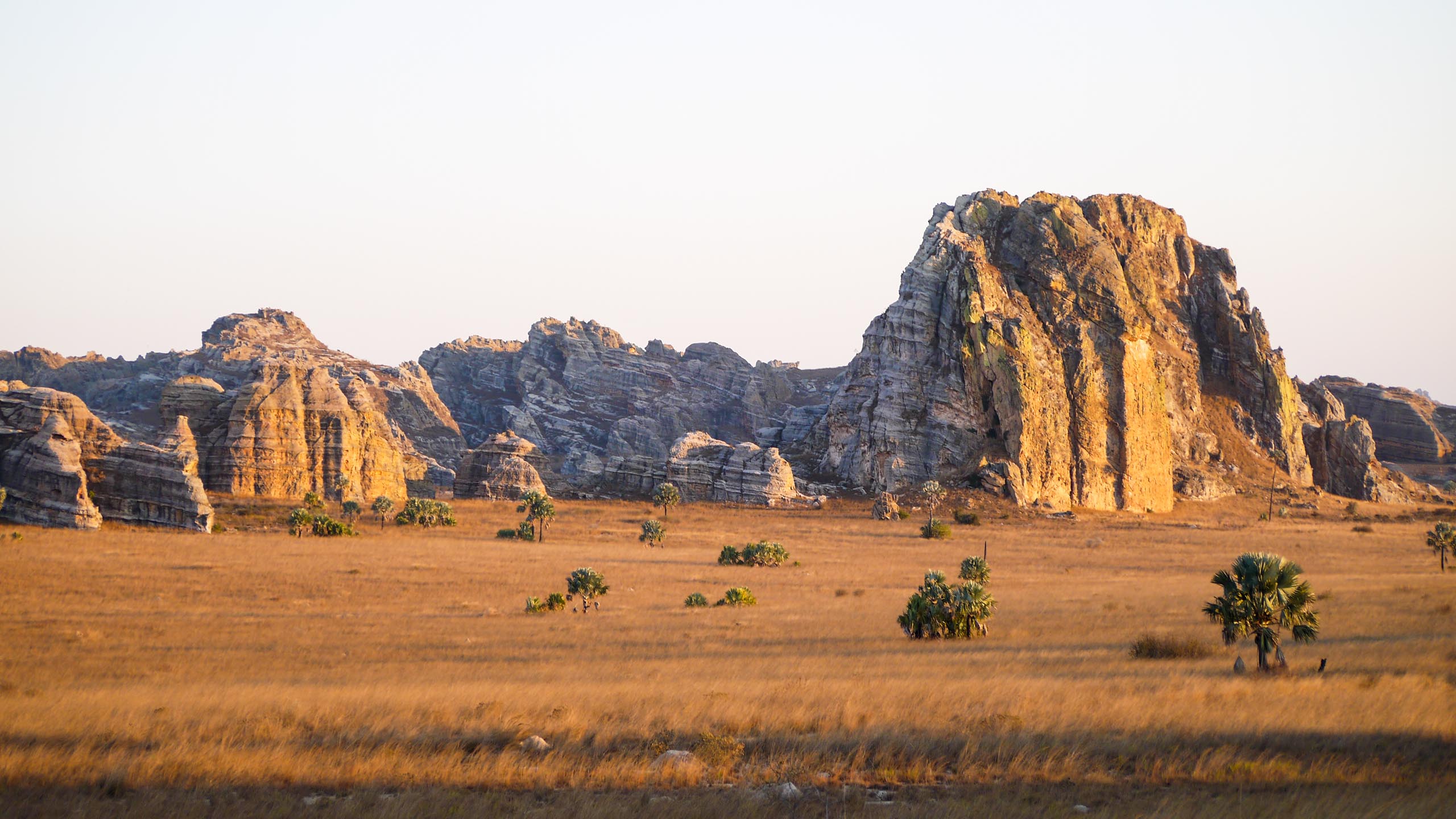
The most natural place for a Zafimaniry visit is within a southern highlands route. Travelers often combine Antananarivo, Antsirabe, Ambositra, Ranomafana National Park, and Isalo National Park, then continue toward the southwest coast. This creates a varied journey through rice terraces, artisan towns, rainforest, canyon landscapes, and beach country.
For a shorter trip, plan at least two nights around Ambositra and Antoetra if an overnight village experience is a priority. Trying to travel from Antananarivo, visit a remote village, and continue far south on the same day usually creates more road time than cultural time.
A tailor-made itinerary is especially valuable because access can depend on the season, group fitness, desired accommodation level, and the latest local information. Travelers of Madagascar can arrange the right guides, transport, village coordination, and pacing while connecting the Zafimaniry area to the rest of your route.
Questions Worth Asking Before You Go
Ask how much walking is expected, what the trail conditions are likely to be, where you will sleep, and whether meals and drinking water are included. Confirm whether your guide is from the area or works closely with local community guides. It is also sensible to ask how your visit supports local hosts and artisans.
If you have mobility concerns, dietary needs, or a strong interest in woodcarving, mention them early. Small itinerary adjustments can determine whether the experience feels rushed or genuinely personal.
The finest Zafimaniry journeys are not measured by how many villages you pass through. They are measured by the conversations you have, the care taken with local customs, and the time you give this remarkable highland culture to reveal itself.