A Tsingy de Bemaraha trekking tour is not a casual park walk. It is a carefully managed adventure through a vast limestone landscape of needle-like pinnacles, suspended bridges, narrow rock corridors, dry forest, and remarkable wildlife. Reaching this UNESCO World Heritage site takes time, and that remoteness is exactly what makes the experience so memorable. With the right route, a trained local guide, and realistic expectations, the Tsingy becomes one of Madagascar’s defining travel experiences.
What makes the Tsingy de Bemaraha special
West of Madagascar’s central highlands, Tsingy de Bemaraha National Park protects an extraordinary karst plateau shaped by water over millions of years. The name “tsingy” is often translated as “where one cannot walk barefoot,” which is an accurate warning. Sharp limestone blades rise tightly together, creating a natural stone forest that can look almost impossible to cross.
Yet the park is more than dramatic geology. Dry deciduous forest fills the spaces between the limestone formations, sheltering lemurs, birds, reptiles, and plant species found nowhere else. You may hear a sifaka calling from the canopy before you see it leap across branches, or spot a chameleon blending into the leaves beside the trail. The combination of technical walking, wildlife, and isolation sets this destination apart from Madagascar’s more accessible national parks.
The park is generally visited in two sections: Petit Tsingy and Grand Tsingy. Each offers a different experience, and most travelers benefit from including both when time allows.
Choosing the right Tsingy de Bemaraha trekking tour
Petit Tsingy: a gentler introduction
Petit Tsingy is the more accessible section near Bekopaka, the small village that serves as the main base for the park. Trails pass through shaded forest, low limestone formations, small caves, and lookout points. Some paths still require attention to footing, but the outing is less exposed and less physically demanding than Grand Tsingy.
This is a strong choice for travelers who want to experience the character of the tsingy without committing to a long, technical day. It also works well as an arrival-day activity after the drive from Morondava, when road conditions and ferry crossings may have made the journey longer than expected.
Grand Tsingy: the full adventure
Grand Tsingy delivers the images most travelers associate with Bemaraha: towering limestone spires, ladders fixed to rock walls, narrow passages, and elevated viewpoints above the stone forest. The popular circuits vary in length and difficulty, but expect several hours on uneven terrain. Many routes include a harness and a short via ferrata-style section, followed by a suspension bridge crossing.
The exposure is real, though it is managed with proper equipment and a knowledgeable guide. This is not technical climbing, but it does require confidence with heights, stable balance, and a willingness to move steadily through confined spaces. Travelers with significant vertigo, limited mobility, or knee concerns should discuss alternatives before building their itinerary around Grand Tsingy.
For active visitors, the effort pays off at the viewpoints. From above, the pinnacles stretch to the horizon in a pattern that no photograph fully captures.
How fit do you need to be?
A Grand Tsingy trek is best suited to travelers with good general fitness. You do not need mountaineering experience, but you should be comfortable walking for four to six hours, using ladders, climbing short rocky sections, and handling heat. The trails can be slippery after rain and harsh under the midday sun.
Fitness is only one part of the equation. Pace matters just as much. A private or tailor-made itinerary gives you more freedom to start early, move without pressure, take water breaks, and choose a circuit appropriate for your group. Families with active teenagers may enjoy the experience, while younger children and travelers who dislike heights are usually better matched with Petit Tsingy and the surrounding forest trails.
Wear closed-toe hiking shoes with solid grip. Lightweight, breathable clothing, a hat, sunscreen, insect repellent, and a refillable water bottle are essential. Your guide will provide the required safety harness for routes that use fixed cables or bridges.
Getting to Bemaraha: the logistics behind the adventure
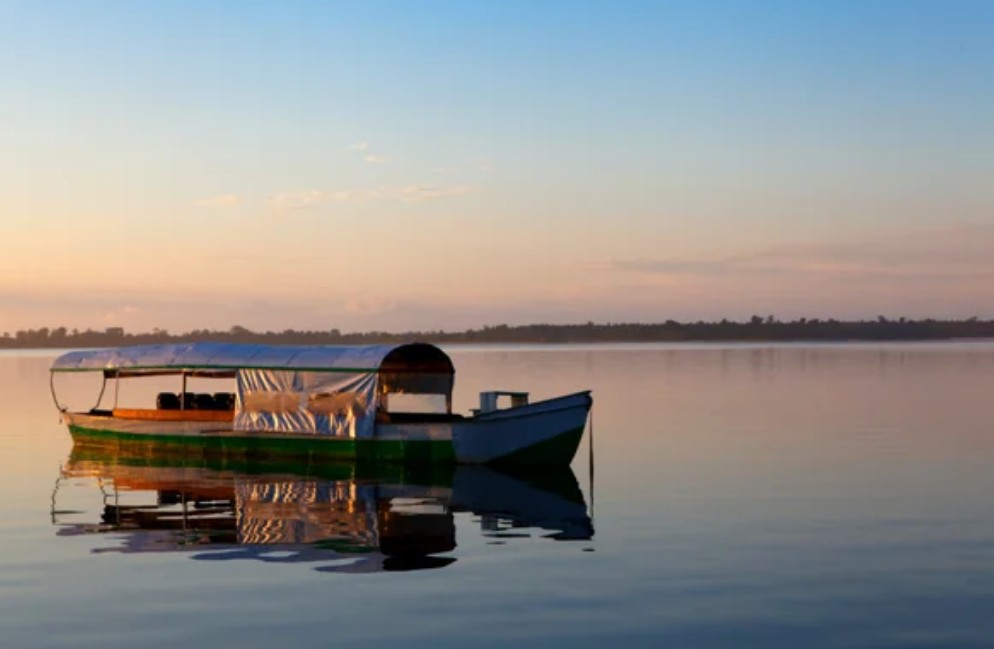
The park’s location is part of its appeal, but it also makes planning essential. Most itineraries approach Bemaraha from Morondava on Madagascar’s west coast. The route travels north on unpaved roads, crosses rivers by local ferry, and passes through Baobab country and remote villages before reaching Bekopaka.
In dry-season conditions, the drive from Morondava to Bekopaka commonly takes a full day, often around eight to 10 hours including crossings and stops. It is a scenic journey, not a transfer to rush. Road conditions can change quickly, and timings are affected by rainfall, ferry queues, and the condition of the track. A capable 4×4 vehicle and an experienced driver are fundamental rather than optional.
Another route can connect Bemaraha with the Tsiribihina River journey, creating a rewarding multi-day west Madagascar adventure. Travelers float past riverbank villages and wildlife before continuing by road toward the Tsingy. This option adds time but brings a deeper sense of place than flying between destinations.
Because of the travel involved, we recommend allowing at least three nights for the Bemaraha area: one night to arrive, one full day for Grand Tsingy, and one day for Petit Tsingy or a local excursion. Four nights create a more relaxed pace and provide useful flexibility if road travel is delayed.
When to go and why timing matters
Tsingy de Bemaraha is generally visited during Madagascar’s dry season, roughly from May through October. The park and access roads are typically closed or severely restricted during the rainy season, often from around November into April, because heavy rain makes the unpaved route unsafe and the limestone trails hazardous.
June through September usually offers the most reliable trekking conditions, with cooler mornings and less rain. July and August are popular travel months, so accommodation in Bekopaka should be planned well ahead. May and October can be excellent for travelers seeking fewer visitors, although temperatures can be warmer later in the season.
Weather is only one consideration. The Tsingy is a destination where schedule flexibility has real value. A well-planned Madagascar itinerary avoids placing an international flight or a fixed onward connection immediately after the overland return from Bemaraha.
Build a route that does not feel rushed
Bemaraha is often combined with Morondava and the Avenue of the Baobabs, where sunset turns the giant trees into striking silhouettes against the western sky. From there, travelers can continue toward the highlands and the RN7 route, or create a longer west-to-north itinerary that includes Ankarana National Park and Nosy Be.
The trade-off is travel time. Madagascar is a large island with limited road infrastructure, and combining every headline destination in a short trip usually means spending too many days in transit. For a first visit, it can be wiser to pair Tsingy de Bemaraha with a focused west Madagascar route, then reserve the rainforests of Andasibe or Ranomafana for a longer circuit.
Travelers of Madagascar plans journeys around the realities on the ground: road conditions, park seasons, ferry timing, suitable hotels, and the pace each traveler wants. That local coordination matters most in remote regions such as Bemaraha, where a missed detail can affect an entire itinerary.
Trek responsibly in a fragile landscape
The limestone formations may appear indestructible, but the ecosystem around them is sensitive. Stay on marked paths, follow your guide’s safety instructions, and avoid touching or feeding wildlife. Bring reusable water bottles where possible and carry out any personal waste.
Choosing local guides, drivers, and accommodations also helps ensure that tourism supports communities near the park. Bekopaka is not simply a gateway to an attraction. It is a living rural community, and respectful travel makes the experience richer for visitors and more valuable for local residents.
A Tsingy trek asks for patience on the road and commitment on the trail. Give it the time it deserves, and the reward is a Madagascar experience that feels genuinely remote, challenging, and unlike anywhere else on the island.