
Baie de Baly National Park – mangroves, turtles and the north‑western coast of Madagascar
Baie de Baly National Park protects the only large bay still relatively intact on Madagascar’s north‑western coast, north of Soalala. It is a mosaic of mangroves, lagoons, sandy beaches, dry forests and coastal savannas, dominated by gentle hills and tidal channels that connect the bay to the ocean.
Baie de Baly is especially famous as the sole natural refuge of the angonoka tortoise (Astrochelys yniphora), one of the most threatened land tortoises in the world. Amidst seagrass beds, mangroves, dry forests and wetlands, the park also hosts a rich birdlife, dolphins, occasional dugongs and a network of coastal habitats still little altered.
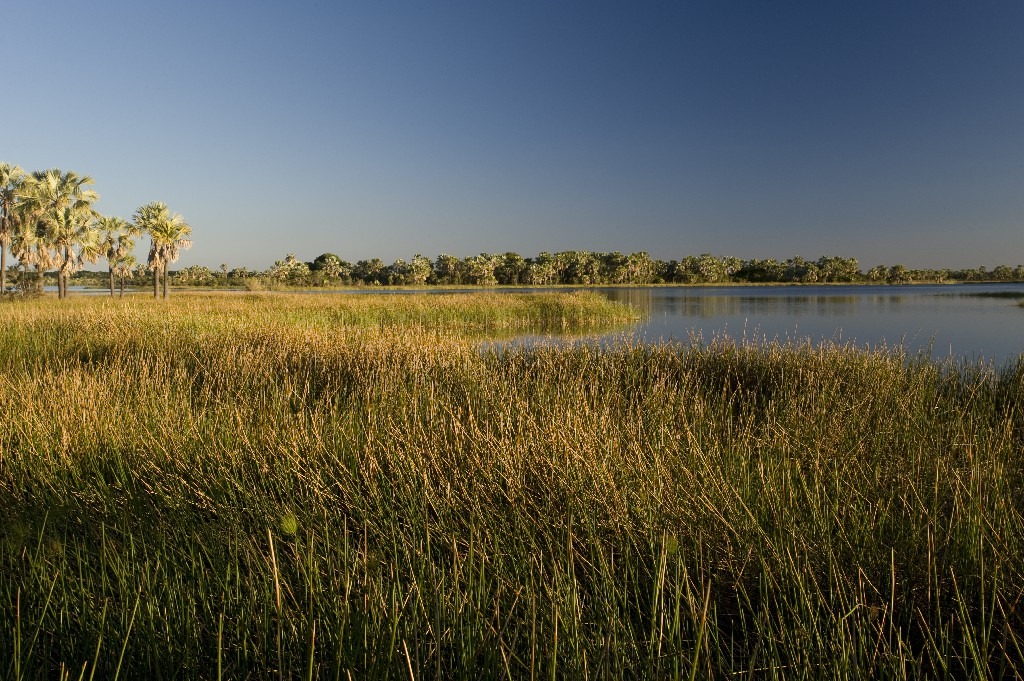
Geography and landscapes of the park
Baie de Baly National Park lies in the Boeny region on the north‑western coast, west of Mahajanga/Majunga, around the small town of Soalala.
- Ecosystems: coastal bay, mangroves, lagoons, beaches, dry forest, shrubby savanna, marshes and estuaries.
- Area: approximately 57,000 ha (terrestrial and coastal marine areas).
- Relief: low hills, coastal plains, river mouths and tidal channels.
- Climate: dry tropical, with a rainy season (November–March) and a long dry season (April–October).
The landscape alternates marshes and mangroves, dunes, dry woods, savannas and the sheltered waters of the bay.
Trails and circuits
Visits combine 4×4 transport and boat outings (pirogues or small boats), with a local guide:
Bay and mangrove exploration
Boat trips to see waterbirds, mangroves, dolphins and, occasionally, dugongs.
Walks in dry forest and savanna
Short treks to discover the vegetation and, in specific areas, the habitat of the angonoka tortoise (Astrochelys yniphora) – strictly regulated observation.
Visits to fishing villages
Meeting coastal communities, traditional fishing and shared management of marine resources.
The circuits are not highly structured for tourism: it is more about exploration than standard itineraries.
Wildlife
Baie de Baly National Park is crucial for several key species:
- Angonoka tortoise (Astrochelys yniphora), endemic to the area and critically endangered.
- Other reptiles of savanna and mangrove (turtles, lizards, non‑venomous snakes).
- Marine mammals: dolphins and, occasionally, dugongs in the bay.
- Birds: wide variety of waterbirds (herons, waders, terns) and species typical of mangroves and coastal savannas.
- Fish, marine invertebrates and crabs associated with seagrass beds and mangroves.
Flora and vegetation
The vegetation of Baie de Baly represents a typical land‑sea gradient of the north‑west coast:
- Dense mangroves along estuaries and tidal flats.
- Seagrass beds in shallow waters.
- Dry forests and shrubby savannas inland, with some baobabs.
- Pioneer vegetation on dunes and beaches.
These ecosystems act as nurseries for fish, protect the coastline and contribute to carbon storage.
Ecological and cultural importance
- Conservation: the only natural habitat of the angonoka tortoise, Baie de Baly is of global importance for land‑turtle conservation.
- Fishing communities: coastal villages depend on the bay’s resources (fish, crustaceans, molluscs), making sustainable management essential.
- Ecosystem services: coastline protection, support for artisanal fisheries and carbon storage in mangroves and seagrass beds.
Access and best time to visit
The park is about 180 km west of Mahajanga/Majunga (12 hours on a track) via Soalala, and surrounds the bay north of Soalala.
Best period from May to October, during the dry season, when tracks are more passable, the sea is generally calmer and birdwatching is more comfortable.
From November to April, rains can make access more difficult and increase heat and humidity, but the bay is very productive and biologically vibrant.
Practical tips
- Wear lightweight, breathable clothing, a wide‑brimmed hat and high‑SPF sunscreen: shade is scarce.
- Carry plenty of drinking water and some snacks; services inside and around the park are very basic.
- Use closed shoes or sturdy sandals with good grip for muddy mangroves, hot sand and uneven terrain.
- Respect strict rules at angonoka tortoise sites: visits only with a guide and under tight control.
- Check sea and track conditions locally and allow extra time for possible delays due to weather or tides.
Accommodation
- Sable d’Or, Soalala
Conclusion
Still little visited, Baie de Baly National Park is an ideal destination for naturalists and adventurous travellers. Silent mangroves, uncrowded beaches, coastal dry forests and the discreet presence of the angonoka tortoise create a fragile but fascinating landscape, emblematic of the conservation challenges of Madagascar’s north‑western coast.