
The Canal des Pangalanes – waterways, isolated villages, tropical forest and authentic life on Madagascar’s east coast
The Canal des Pangalanes stretches for several hundred kilometers along Madagascar’s east coast, linking lakes, rivers, swamps and artificial canals between the Indian Ocean and the mainland. Some parts are natural. Others were connected during the French colonial period to create a safer inland navigation route than the open ocean, which was often dangerous due to swells and storms.
The canal’s construction and connections developed mainly between the late 19th and early 20th centuries. The aim was above all practical. Coffee, cloves, vanilla, timber, coal and agricultural products moved slowly by boat between isolated villages and east coast ports.
Even today, several sections of the canal remain in daily use. Transport pirogues, small passenger boats, fishermen and local cargo vessels continue to navigate between villages sometimes accessible only by water.
Travelling on the Canal des Pangalanes has little to do with a classic beach holiday. Here, everything revolves around the slow rhythm of the canal, long boat crossings, villages lost in the humid tropical vegetation and that strange feeling of crossing a part of Madagascar almost cut off from the rest of the country.
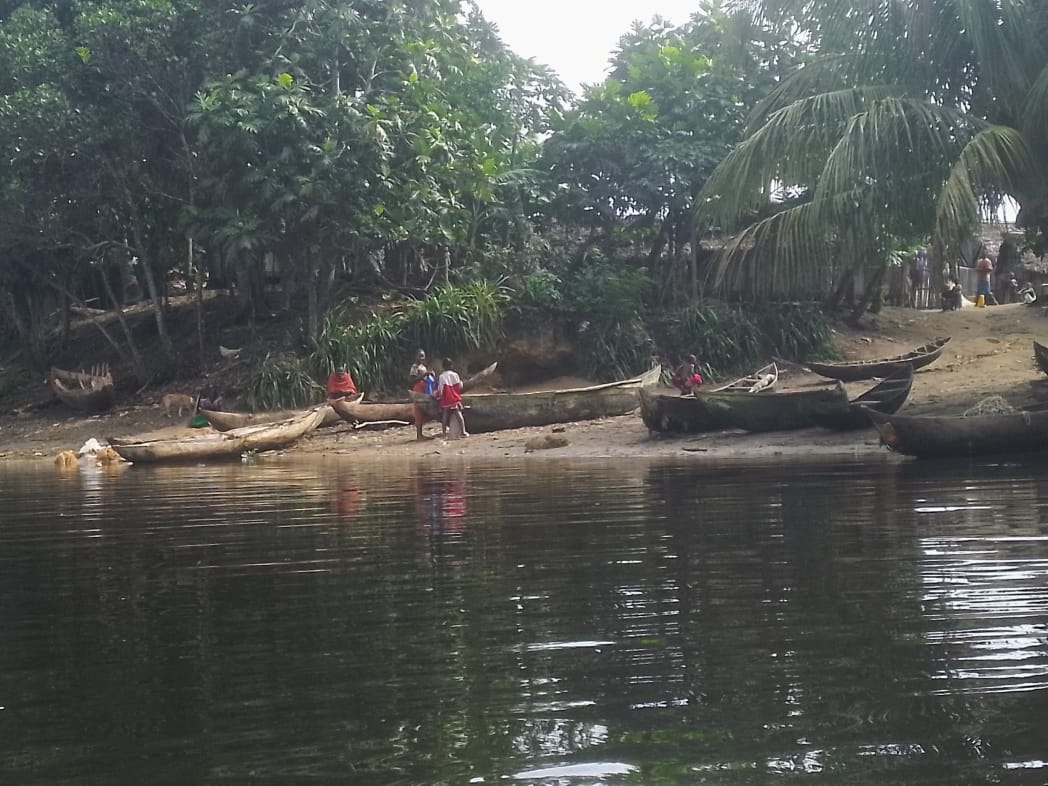
North Section — Tamatave / Toamasina → Vatomandry
The northern part remains the most accessible and most visited. It is also the one that best combines navigation, tropical forest and nature reserves.
From Tamatave / Toamasina, it takes about 4 hours by boat to reach Palmarium Reserve depending on lake conditions and weather. The journey crosses large expanses of water and then canals lined with ravinala, pandanus and small fishing villages.
The link between Palmarium Reserve and Manambato takes about 2 hours and remains one of the calmest and most pleasant sections of the canal.
Further south, navigation between Manambato and Vatomandry lasts about 8 hours through isolated villages, swamps and long sections much less frequented.
This northern region is perfect for those wishing to discover the Canal des Pangalanes without immediately embarking on a highly committed expedition.
Central Section — Vatomandry → Mananjary
South of Vatomandry, the atmosphere changes markedly. Traffic decreases, villages become more isolated and some sections seem almost abandoned.
The journey between Vatomandry and Mahanoro takes about 8 hours by boat. Long narrow canals alternate with open lakes exposed to wind and rain.
Between Mahanoro and Nosy Varika, count about 5 hours of navigation. The vegetation becomes denser, the humidity heavier, especially after rains when mist remains suspended above the water early in the morning.
The section between Nosy Varika and Mananjary lasts about 7 hours and remains probably one of the most atmospheric of the canal. Few travellers go this far south and some villages remain accessible only by boat.
This central part probably offers the best insight into daily life on the Malagasy east coast.
South Section — Mananjary → Manakara
The southern section between Mananjary and Manakara remains the wildest and least developed of the entire Canal des Pangalanes.
There is practically no tourist infrastructure here. Much of the route passes through humid forests, swamps and narrow canals where vegetation is slowly reclaiming its rights.
This section is generally explored either by kayak over about 5 days, or by traditional pirogue over about 3 days depending on conditions and travel pace.
Nights are spent in villages or in very simple shelters by the canal. Constant humidity. Clothes rarely dry. Sounds of insects, frogs and distant engines echoing in the darkness.
This is probably one of the most isolated experiences one can still have in Madagascar.
Conclusion
The Canal des Pangalanes offers a unique immersion into life on Madagascar’s east coast. Between slow navigation, isolated villages, tropical forest and the silence of the canal, it is an authentic experience that appeals to travellers seeking escape and adventure off the beaten track.