A sifaka leaping through Ranomafana’s rainforest, sunrise over Isalo’s sandstone canyons, and a quiet river camp beneath western Madagascar’s wide sky can all belong in one trip. But the distances between them are real, road conditions change, and a map rarely shows how long a journey will actually take. Madagascar private guided tours turn that complexity into a route built around your priorities, pace, and comfort level.
For travelers coming from the US and other long-haul markets, a private trip is often the most practical way to experience the island well. You travel with a dedicated driver-guide or specialist local guide where needed, stay on an itinerary designed for your group alone, and have support when weather, roadworks, or domestic flight schedules require an adjustment.
Why Choose Madagascar Private Guided Tours?
Madagascar is not a destination that rewards rushing. It is the world’s fourth-largest island, and traveling between major parks can involve long drives, unpaved tracks, river crossings, or small aircraft. A private guided itinerary gives you control over the parts that matter most: how many nights you spend in a rainforest, whether you prefer a comfortable lodge or a simpler wilderness camp, and when it makes sense to fly rather than drive.
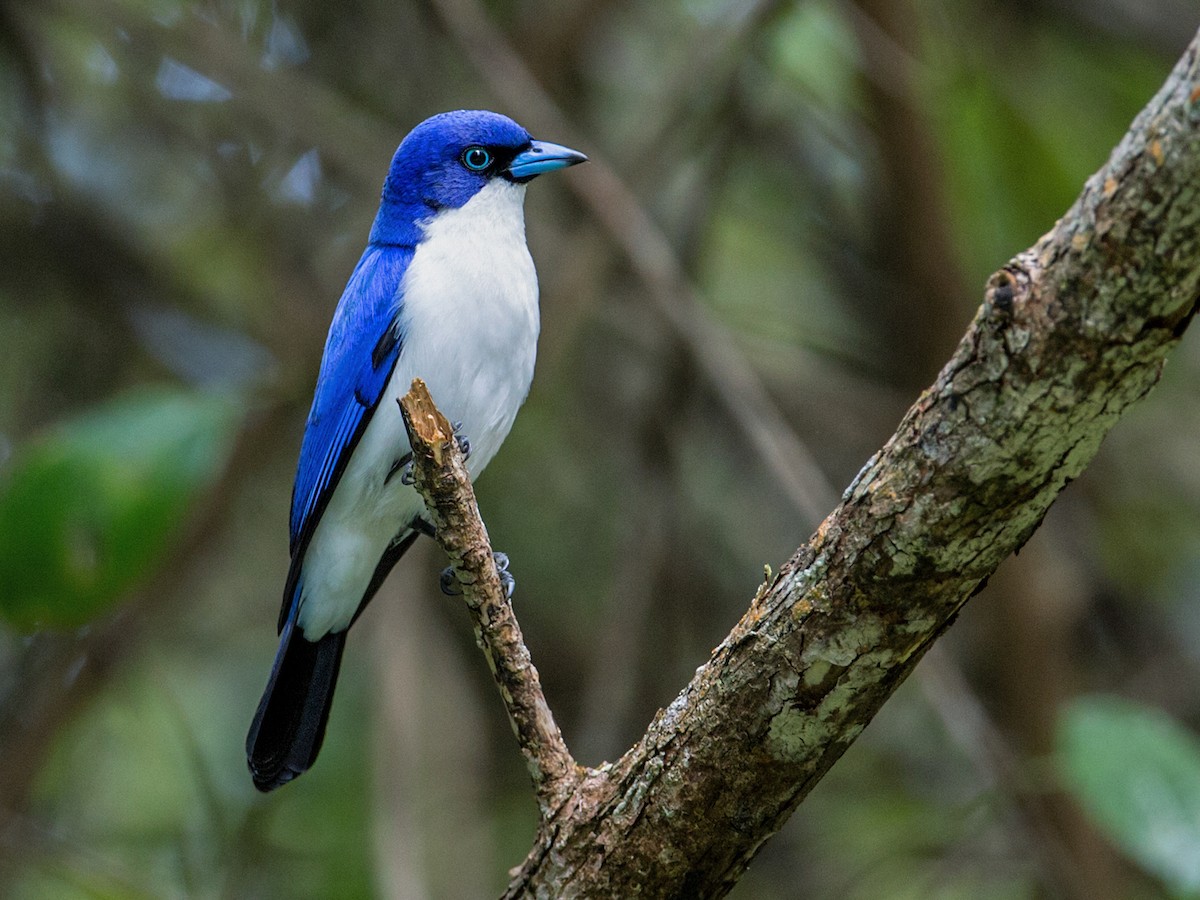
It also makes wildlife viewing more rewarding. Madagascar’s lemurs, chameleons, endemic birds, and nocturnal species are best found with people who understand the forest and its rhythms. In Andasibe, that may mean an early walk to hear indri calls carrying through the trees. In Ankarana, it can mean a guide who knows which cave passages, forest trails, and limestone viewpoints fit your ability and the season.
Private does not have to mean extravagant. It means the itinerary is not dictated by a fixed departure date or a coach schedule. Couples may prioritize intimate lodges and slower travel days. Families may need shorter walks, adjoining rooms, and activities that hold children’s attention. Experienced hikers may want a multi-day trek in the Tsaranoro Valley or a remote route through the Makay region. The best plan depends on what you want to remember, not simply how many locations you can check off.
Start With the Right Route, Not a Wish List
A strong Madagascar itinerary connects regions that work together geographically and seasonally. Trying to combine every major highlight in 10 days usually creates more windshield time than meaningful travel. For most first-time visitors, 15 to 24 days offers the space to see contrasting landscapes without treating each stop as an overnight pause.
The classic highlands and south circuit
The RN7 route is a natural choice for travelers who want diversity in one overland journey. Starting in Antananarivo, it travels south through the central highlands and can include Andasibe’s rainforest, Antsirabe’s highland character, Ranomafana National Park, the granite landscapes near Ambalavao, and Isalo National Park’s canyons and natural pools. A beach extension at Ifaty or Anakao adds a relaxed finish after hiking and wildlife walks.
This route works especially well for travelers who enjoy changing scenery and cultural encounters alongside national parks. It does involve significant driving, so private planning matters. Adding an extra night in key locations is often more valuable than adding another stop.
The western adventure route
Western Madagascar delivers a different kind of scale. The Avenue of the Baobabs near Morondava is at its best around late afternoon, while the journey north can lead to the Tsiribihina River, Kirindy Forest, and the dramatic limestone pinnacles of Tsingy de Bemaraha. These are among Madagascar’s defining experiences, but access is more demanding than the RN7 circuit.
Road travel to Tsingy is seasonal and conditions can be rough. During the rainy months, some routes become impractical or close altogether. A knowledgeable local operator will plan the right vehicle, build in sensible timing, and offer a realistic alternative if the road or river cannot be used safely. The trade-off is worthwhile for travelers who want remote landscapes, active days, and fewer crowds.
Northern parks and island time
The north suits travelers drawn to dry forest, tsingy formations, beaches, and snorkeling. Ankarana Reserve combines caves, forest, and striking limestone scenery, while Montagne d’Ambre offers waterfalls and cooler rainforest. Nosy Be and nearby islands provide an easy transition to beach time, with opportunities for sailing, diving, and relaxed coastal stays.
This region can work as a focused 8- to 12-day trip or as the final chapter of a longer island circuit. It is a particularly good fit if you want wildlife and national parks without committing to the longest overland drives in the west.
What a Good Private Guide Changes
In Madagascar, a guide is more than someone who points out a lemur. They help interpret a place. They can explain the customs around a village visit, identify medicinal plants on a forest trail, and adjust the day’s schedule when a market, ceremony, or sudden rain changes the conditions.
Different experiences call for different expertise. Your driver-guide may lead the journey between destinations, while licensed park guides take over inside national parks. For specialist activities such as kayaking, river descents, caving, or multi-day trekking, local teams add route-specific knowledge and safety support. This structure gives you both continuity and genuine local insight.
It also improves the practical side of travel. A trusted team knows where fuel is available, which stretches of road require patience, how early to leave for a flight, and when an itinerary needs a buffer day. These details are not glamorous, but they protect the moments you traveled so far to have.
Build Around Your Travel Style
The most successful private tours begin with a few honest choices. Do you prefer wildlife walks at dawn, challenging treks, cultural visits, or time to read beside the ocean? Are you comfortable with a few long road days for access to remote places? Would you rather stay in well-appointed lodges throughout, or mix them with simple camps for a deeper wilderness experience?
Travelers of Madagascar creates 100% tailor-made journeys around those answers. A 15-day route may focus on the highlands, rainforest, and south. A 24-day circuit can connect the RN7, the west, Tsingy de Bemaraha, northern reserves, and Nosy Be, with domestic flights used strategically to avoid unnecessary backtracking.
There are trade-offs in every design. Flying saves time but can be more expensive and is subject to schedule changes. Driving gives you a closer view of villages and landscapes but requires flexibility. Remote areas feel genuinely wild, yet accommodation can be simpler and journeys less predictable. Clear expectations at the planning stage make those trade-offs part of the adventure rather than an unwelcome surprise.
Plan for Seasons, Roads, and Realistic Timing
Madagascar’s weather varies sharply by region. The wetter months, generally from November through March, bring lush landscapes and active amphibians but can make western roads difficult and affect some domestic travel. The drier period from April through October is often easier for overland circuits, trekking, and beach extensions, though temperatures in the highlands can be cool at night.
Wildlife interests also influence timing. Baby lemurs are commonly seen in certain months, humpback whales visit the east and northeast coast seasonally, and some reptiles are easier to spot during warmer, wetter conditions. There is no single perfect month for the entire island. The right travel window depends on the route and what matters most to you.
Give important places enough time. Two nights in Andasibe allows for both a daytime forest walk and a nocturnal visit. Three nights in Ranomafana makes early wildlife walks feel less pressured. In Isalo, an extra day can mean choosing between an easy canyon walk and a longer hike rather than trying to force both into one afternoon.
Questions to Ask Before You Book
Before confirming a private tour, ask who will manage your trip on the ground, how changes are handled, and whether park guides, transfers, accommodations, and permits are coordinated in advance. Check that the operator is licensed locally and that the itinerary reflects actual road times rather than idealized map distances.
It is also wise to ask what is included and where flexibility exists. Meals, park fees, internal flights, tips, activity equipment, and visa costs can be handled differently by different operators. A transparent plan makes it easier to compare options fairly and budget with confidence.
The strongest Madagascar private guided tours leave room for surprise: an indri calling before breakfast, a baobab silhouette after a dusty road journey, a conversation in a highland workshop, or a beach day you did not know you needed. Build the route carefully, then leave enough space to experience the island on its own terms.